Participatory Practice
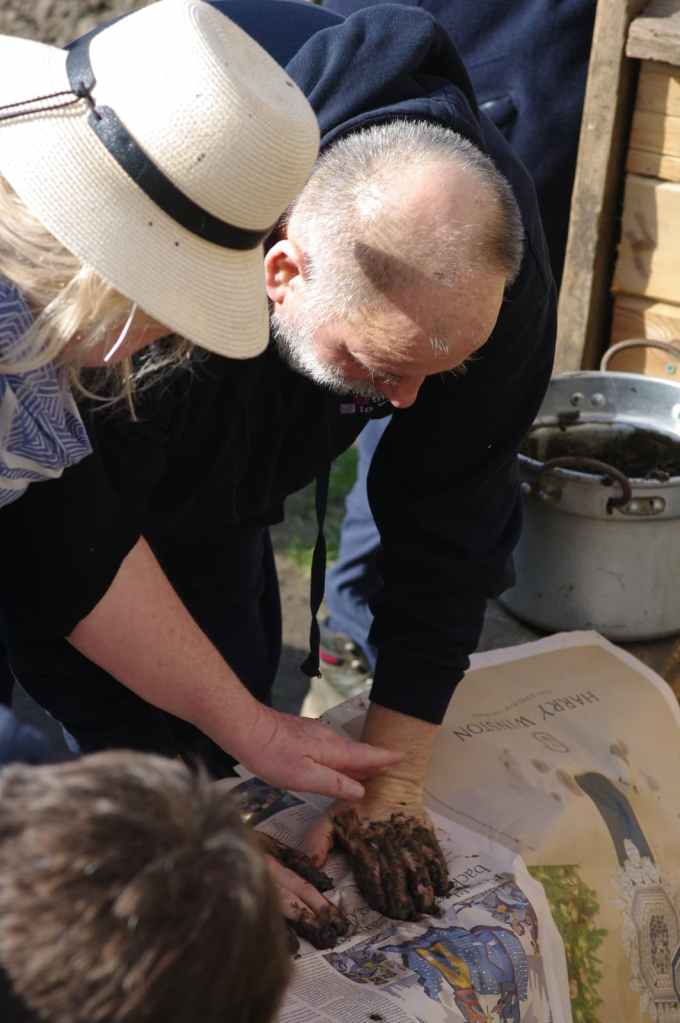
My participatory practice brings people directly into the creative process. Making, choosing, connecting, arranging and observing become ways of contributing to an artwork and exploring the relationships through which it develops.
I establish materials, spatial rules and working conditions, then invite people to make decisions within them. Individual contributions retain their differences. As they connect, a larger structure develops whose final behaviour cannot be completely predicted by any one person, including me.
Collaborative Making and Emergence
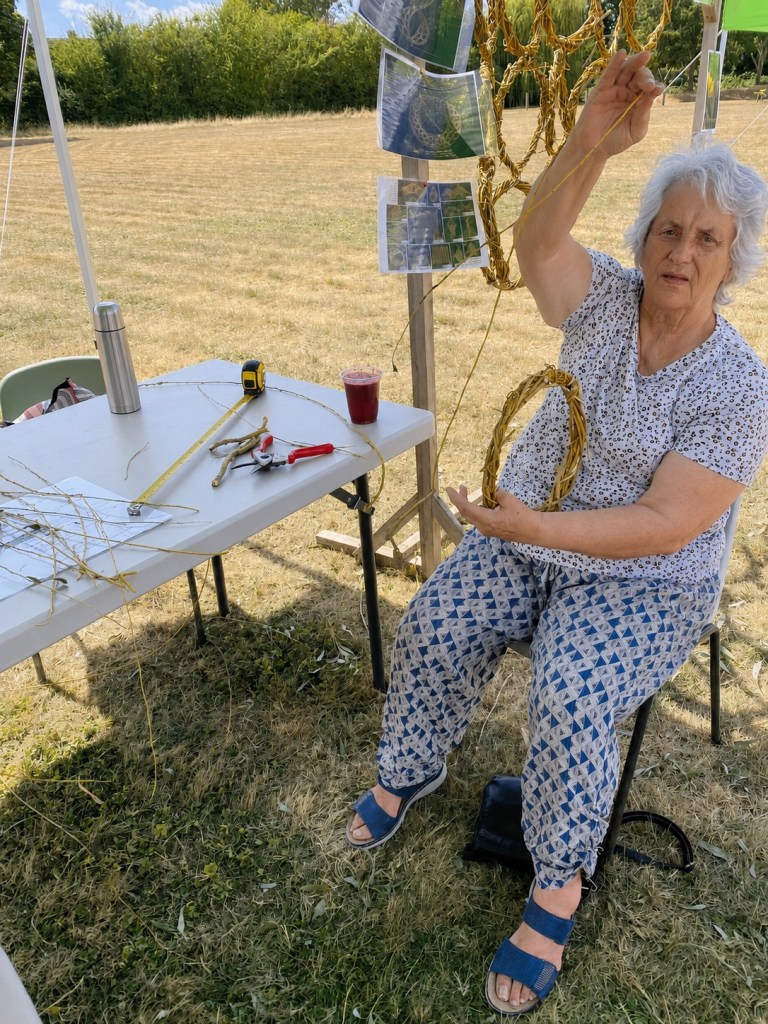
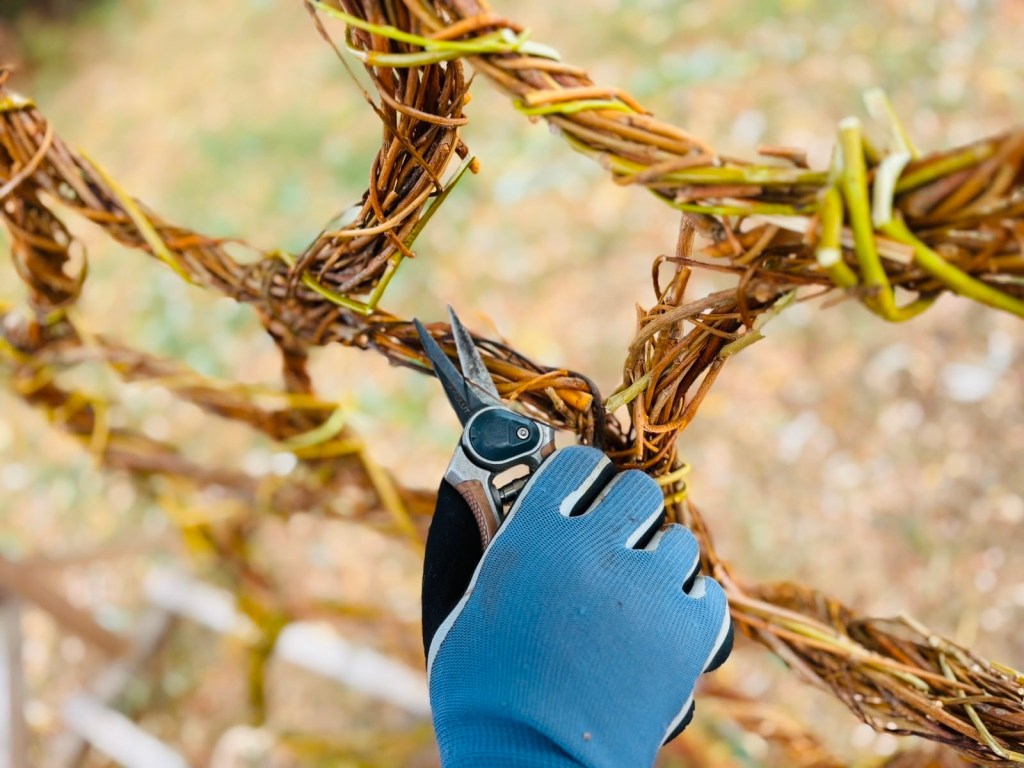
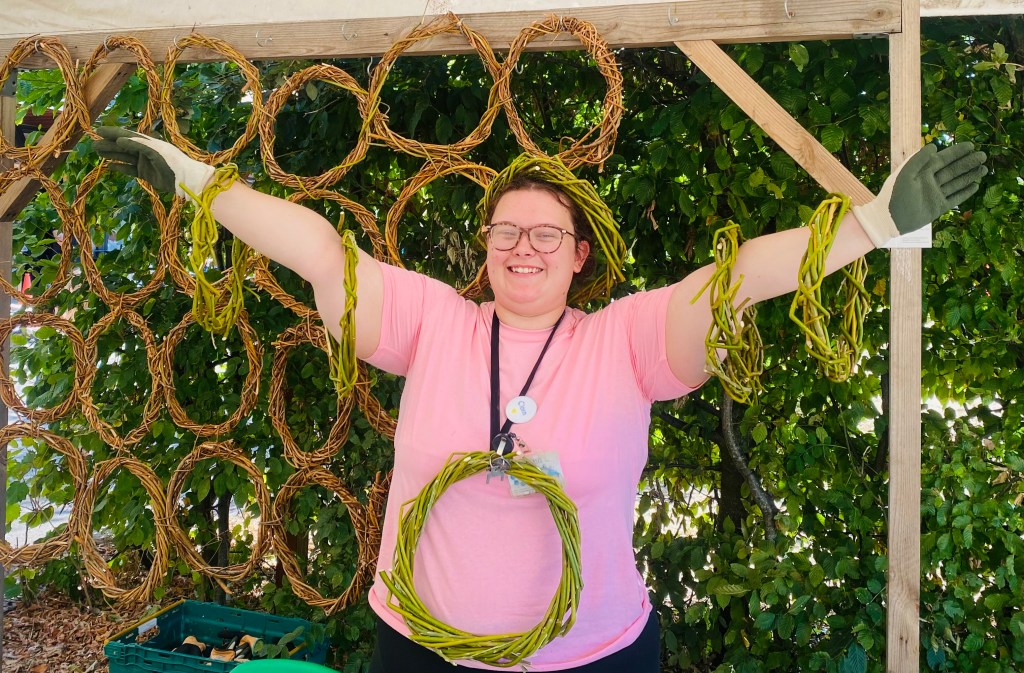
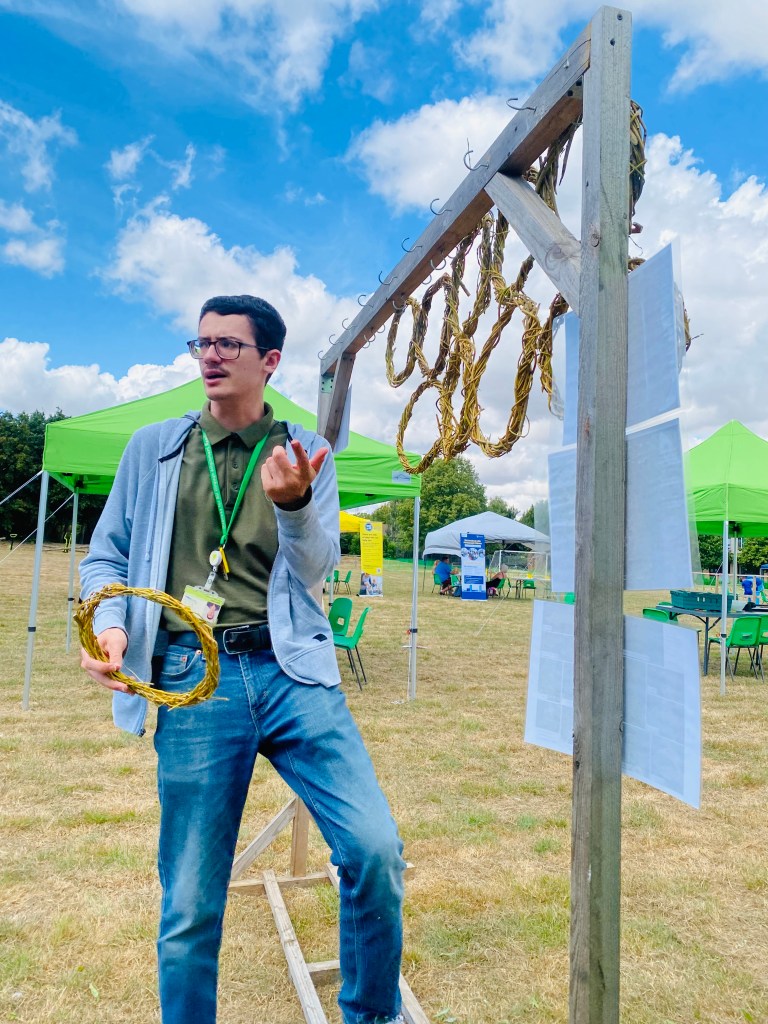
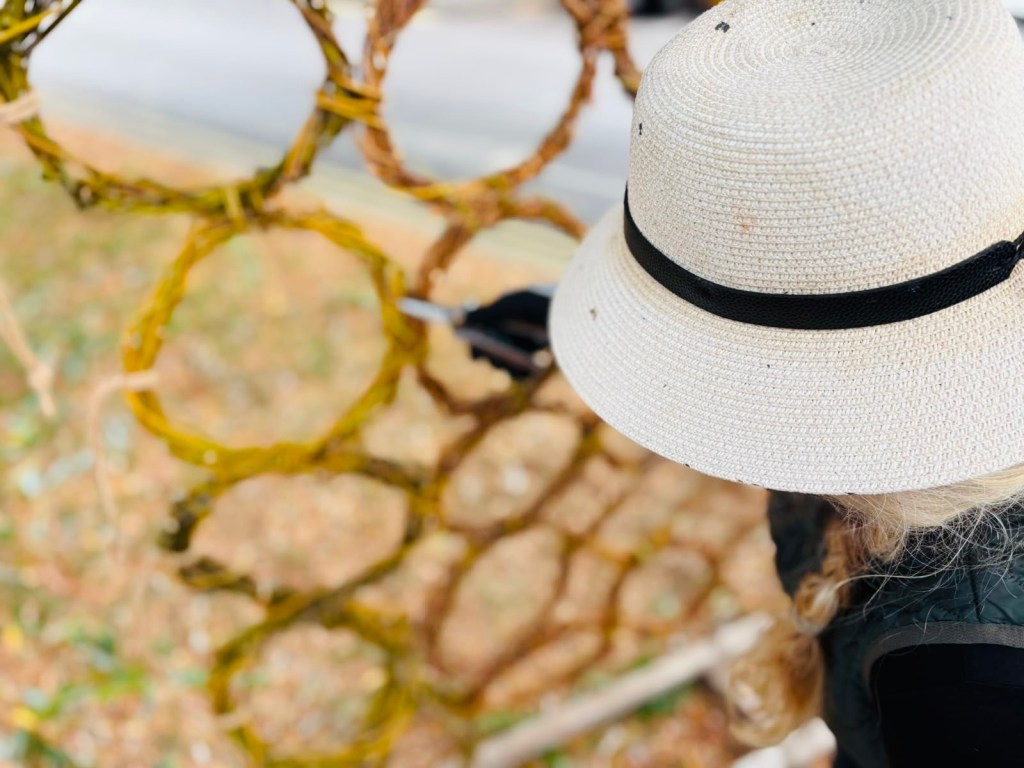
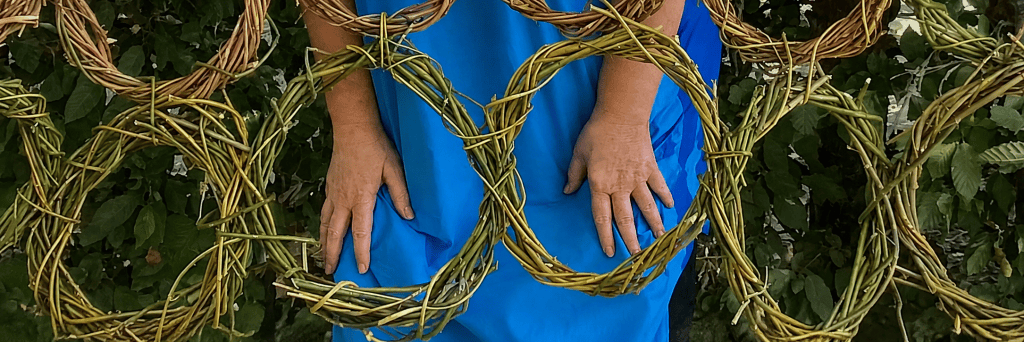
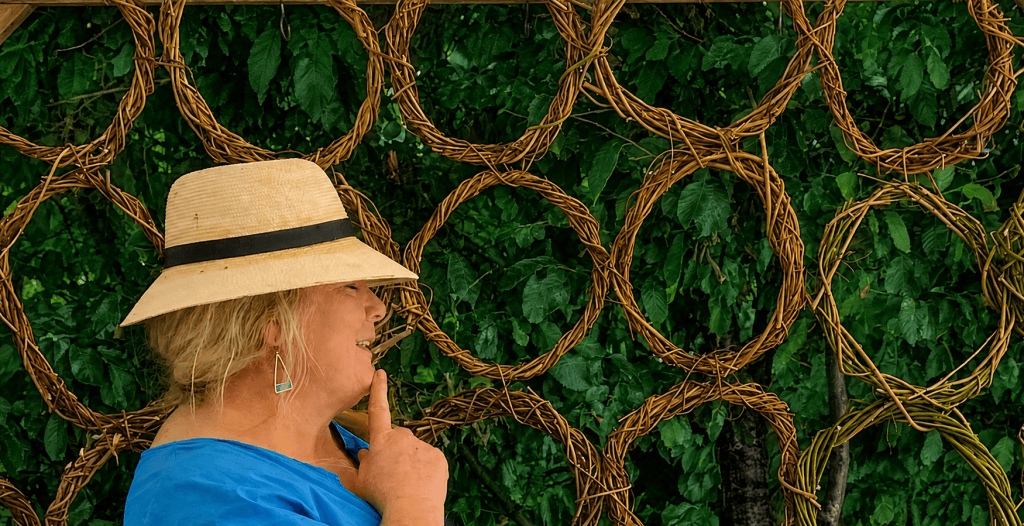
In the willow ring sheet, contributors made individual rings that were brought together into a connected surface. New diamond-shaped spaces appeared between the rings. The sheet acquired structural and visual properties through the relationships between its elements.
This is where systems thinking becomes physical: through interdependence, distributed authorship, constraint, adaptation and emergent form.
Contributions, Roles and Choices
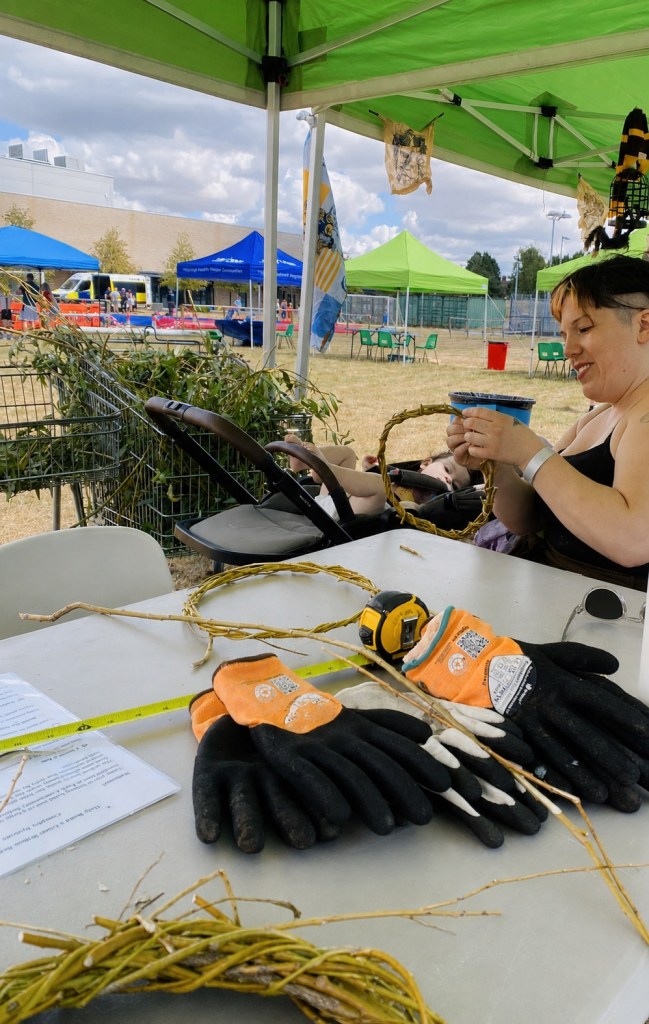
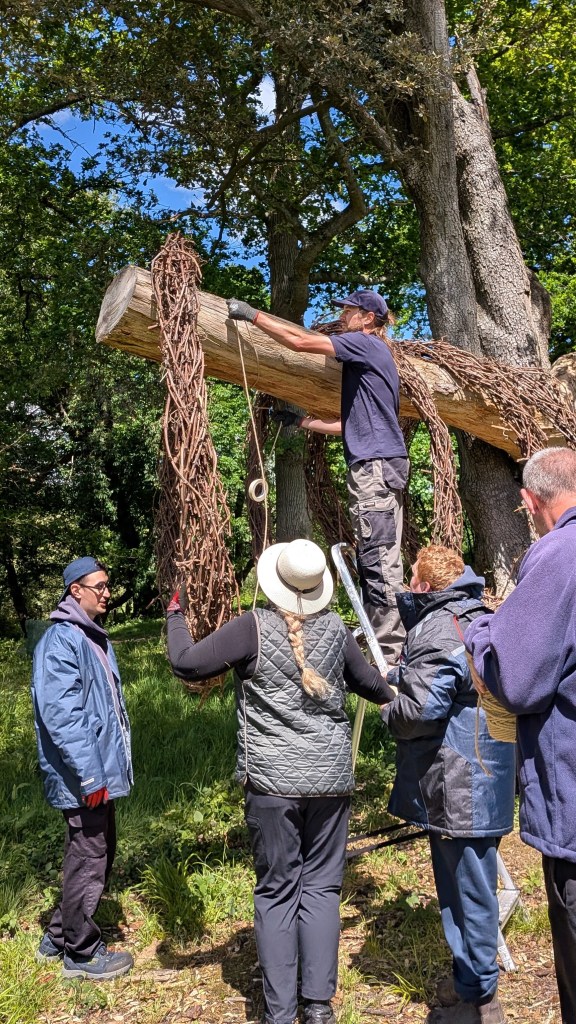
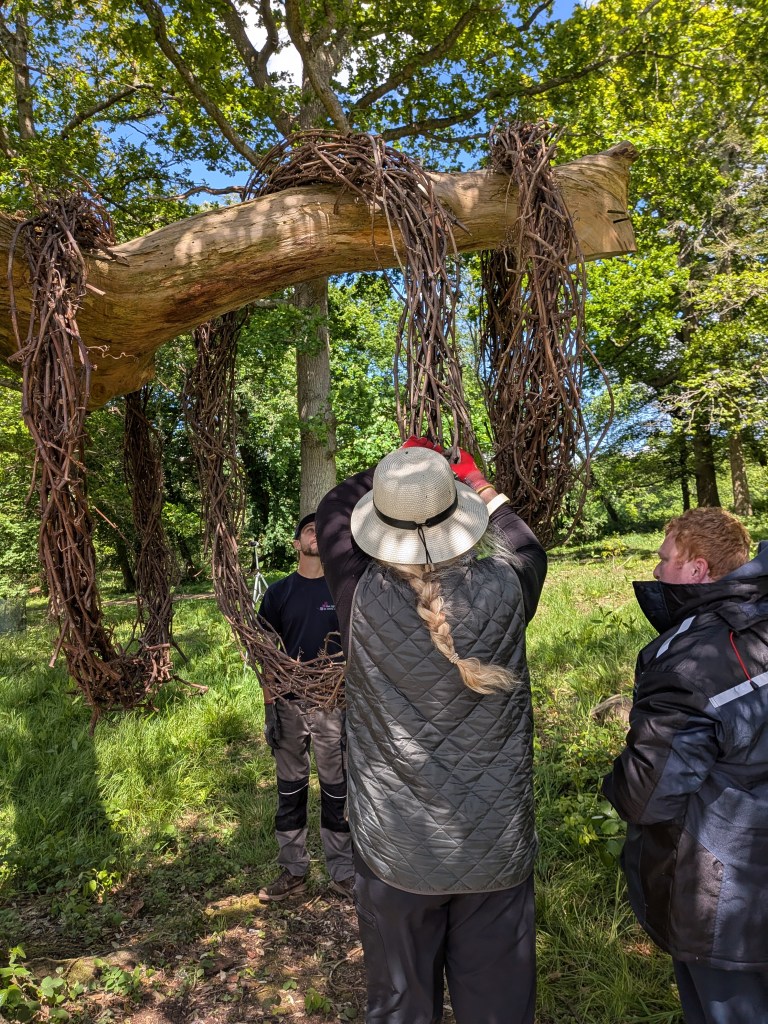
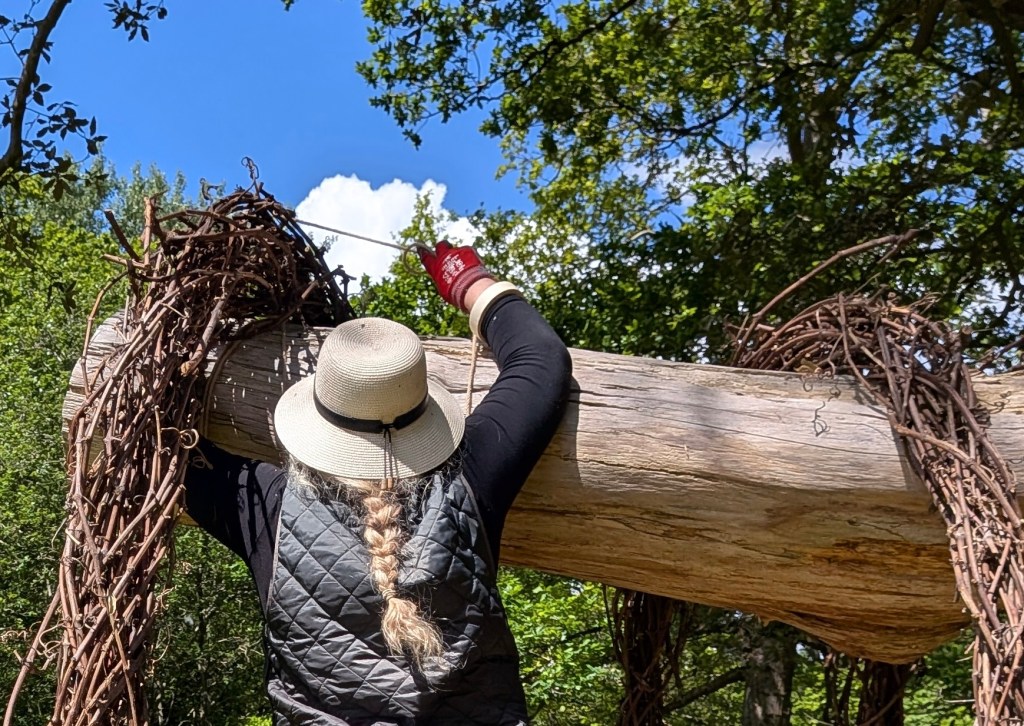
People can contribute in different ways and for different lengths of time. Roles vary across the stages of a project: preparing materials, making individual elements, connecting them, helping with installation or observing changes after installation.
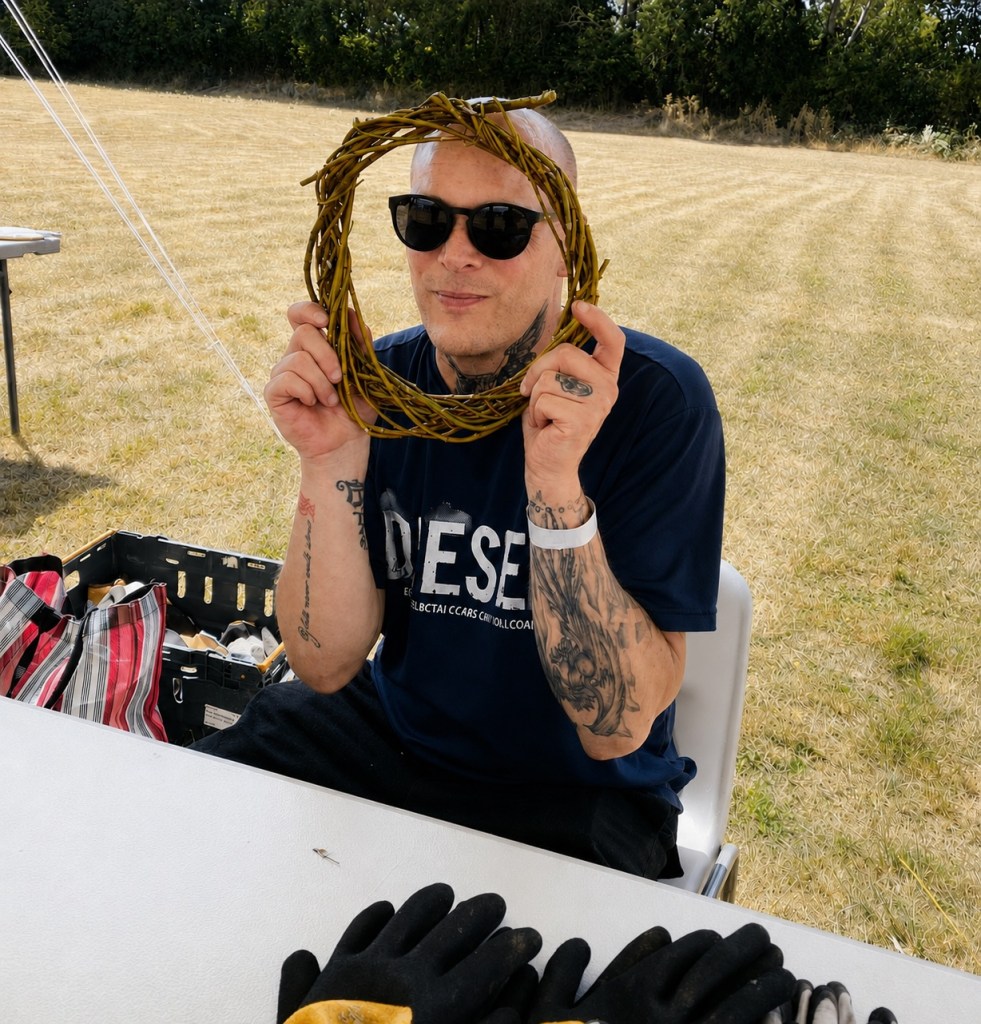
The invitation and working process need to make the shared purpose clear. The Complex Systems pilot showed how much people enjoyed weaving rings, while some preferred to take their work home. Fewer people chose material preparation or assembly. These responses now inform how I explain the collective artwork and organise future making sessions.
Future projects can connect harvesting with material preparation, make the transition from individual making to assembly more visible and offer distinct opportunities for contributing to the shared work or making something to keep.
Authorship and the Artist’s Role
I conceive the project and establish its initial conditions. The people involved bring their own decisions, skills, interests and practical ingenuity. Their contributions influence the form and development of the work.
Authorship can therefore be examined through the choices made across a project: who proposes, who makes, who connects, who installs and who observes. The relationships between those roles become part of the artistic inquiry.
From Diagram to Embodied Experience
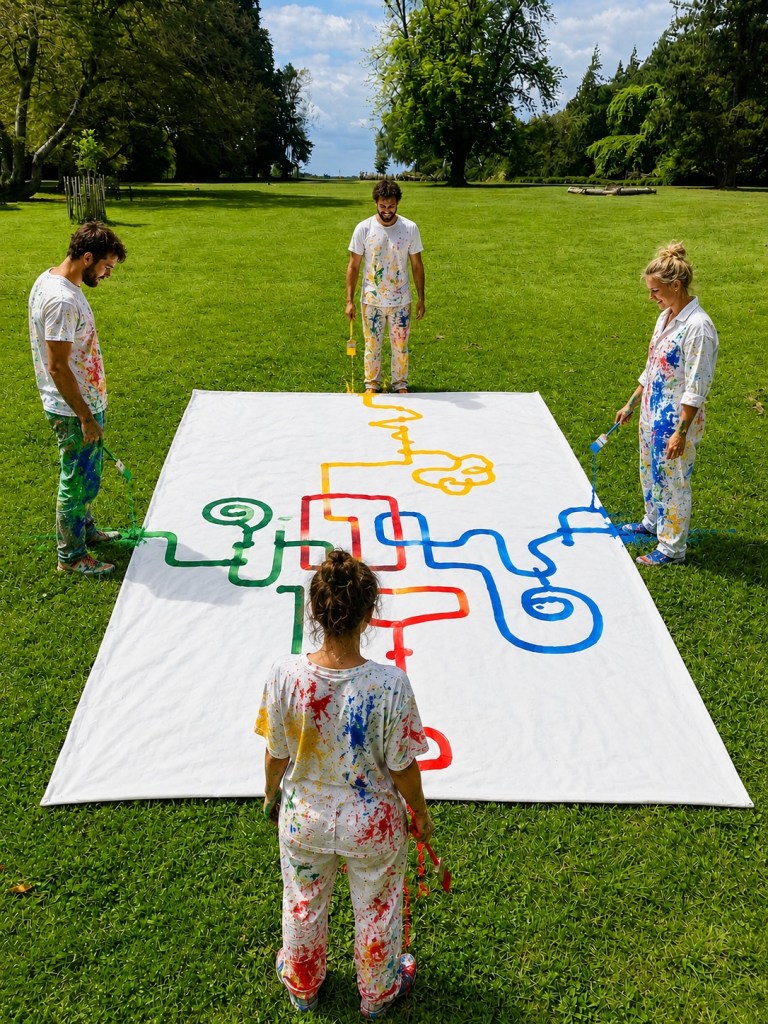
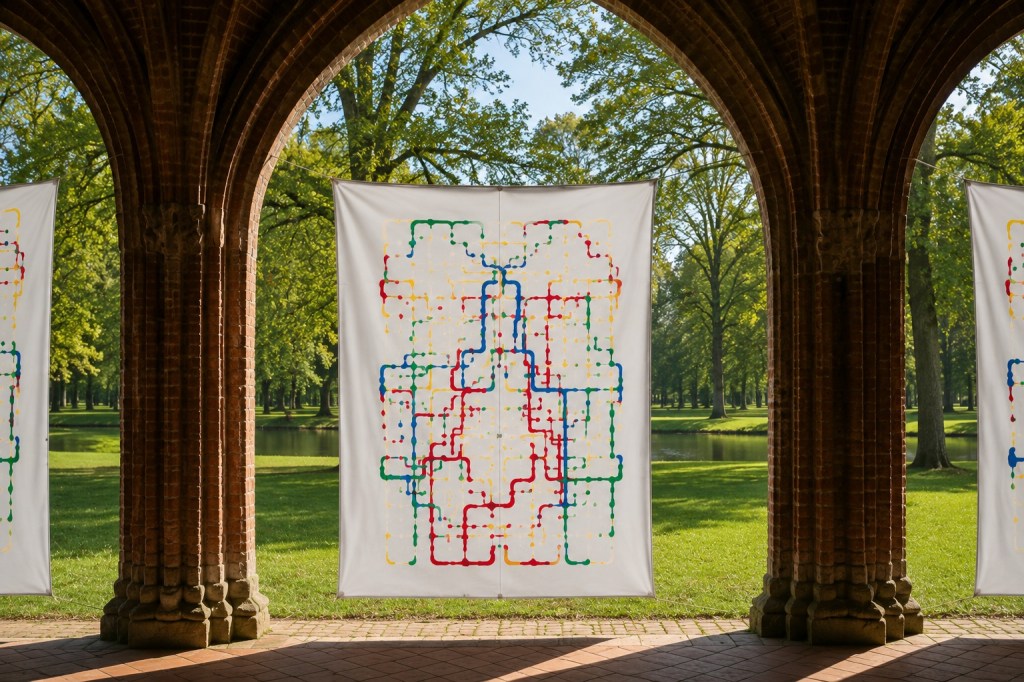
One direction I am exploring extends these ideas into the relationship between systems and the human body. Collaborative structures could map routes, connections, conflicts and obstructions, then be carried, worn or inhabited by the people who make them.
In this proposed work, movement would become a way to investigate coordination, competing objectives, restriction, adaptation and collective agency. People could first map a system, then explore what it feels like to negotiate the structure they have made.
Participation as Inquiry
Across changing materials and locations, a consistent question runs through my work: how can sculpture and embodied participation help people perceive the systems they inhabit?
Geometry, material behaviour, spatial relationships and collective action create situations in which connections can be seen, felt, negotiated and transformed. Photographs, observations and reflection can help trace how choices affect both the artwork and the experience of making it.
I distinguish three questions: what I learn as an artist, what those involved perceive or learn and what the work may reveal about complex systems. Each needs its own evidence; the process of participation creates opportunities to investigate them.
I identify an undervalued existing structure, perceive the stronger configuration latent within it, and mobilise materials, people and practical ingenuity until that configuration becomes visible.
Explore the Practice
Read Systems Practice for the wider inquiry. See shared making in Tracing Systems and Complex Systems, or read How I Work.
To find out about getting involved in studio projects, visit Participate.

