Nautical Systems
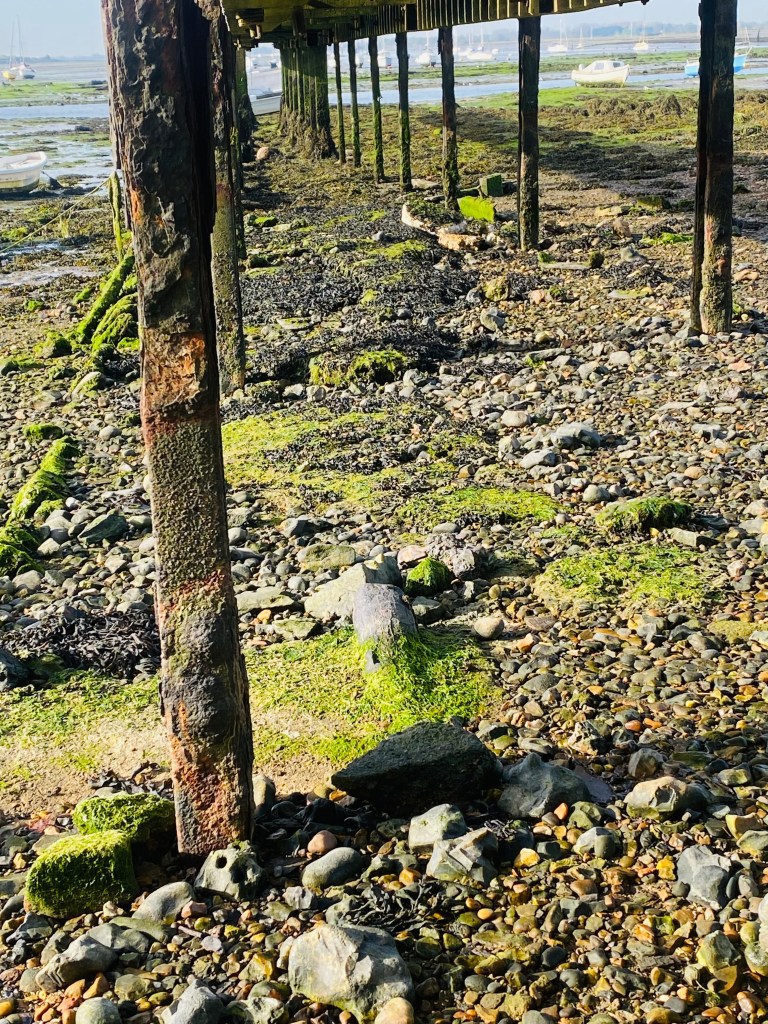

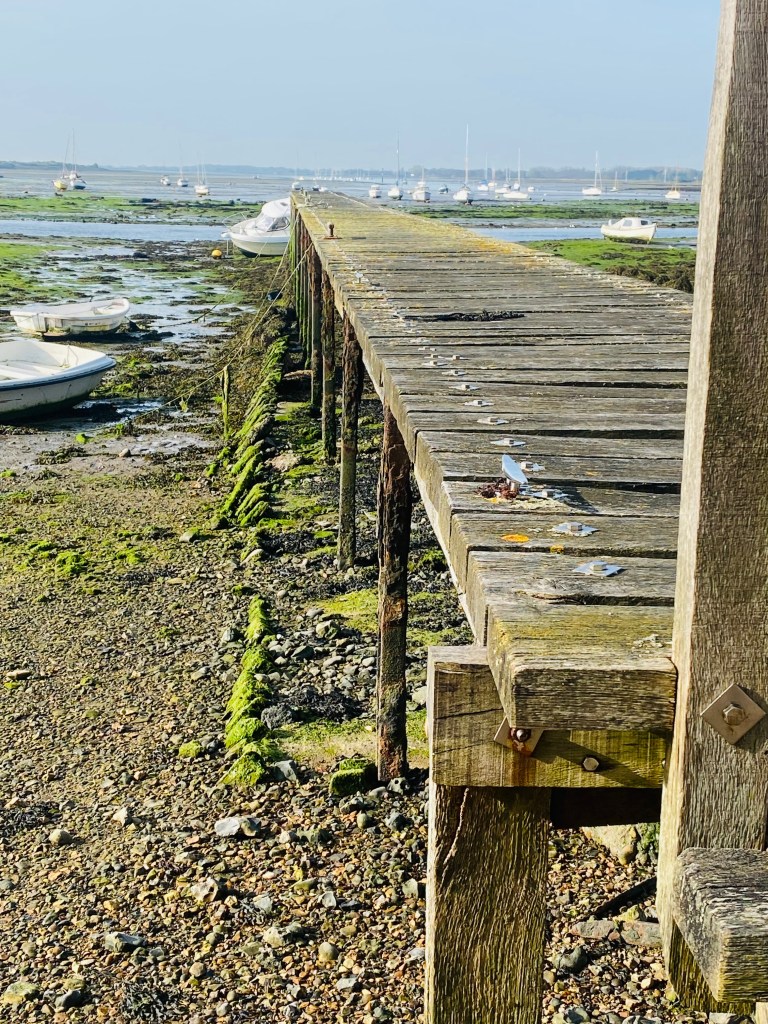
This project extends Tracing Systems practice into a maritime environment, using the foreshore at Emsworth, Hampshire, UK as a site of overlapping environmental systems (tidal movement, ecology, sediment flow), mechanical systems (boats, engines, moorings) and regulatory systems (policies governing access, waste and water use).
Rather than attempting to represent these external systems directly, the work constructs a participatory system (a structured activity involving rope, tide, material constraints, spatial rules and timed engagement) within which participants can act, respond and form.
The outcomes are not treated as models or evidence of the environmental, mechanical or regulatory systems themselves, but as situated spatial configurations generated within the designed participatory system under specific conditions.
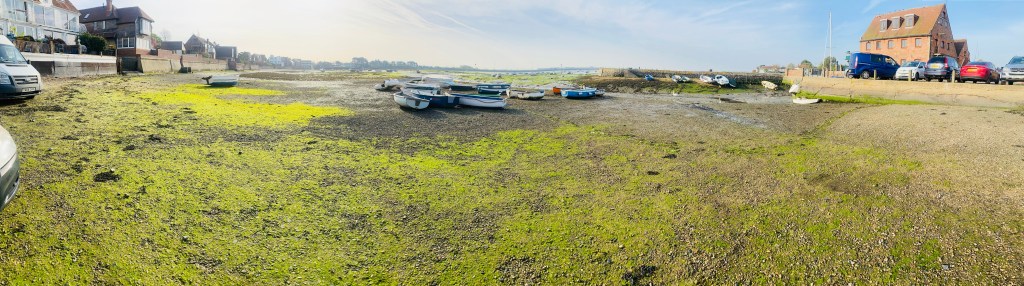
These configurations are documented as instances of behaviour within that designed system, while the broader enquiry remains focused on the real-world dynamics of access, control, environmental pressure and human intervention that shape the foreshore.
The work operates between three layers: external maritime systems (environmental, mechanical and regulatory), the designed participatory system (the activity structure) and the material outcomes (the spatial forms produced).
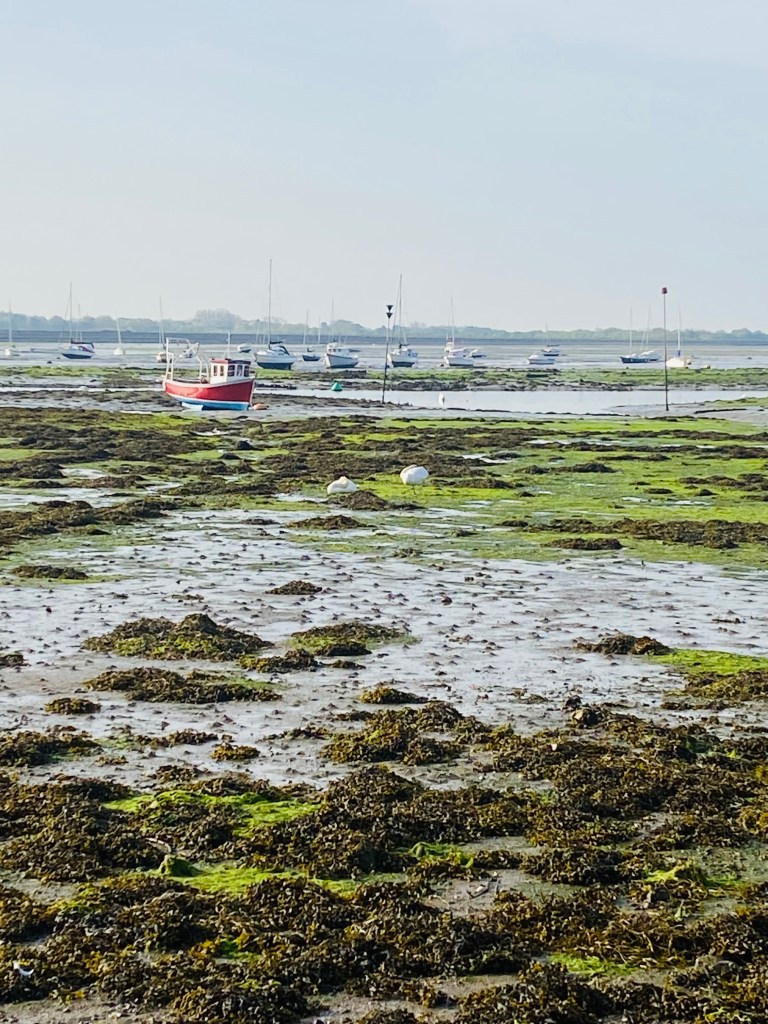
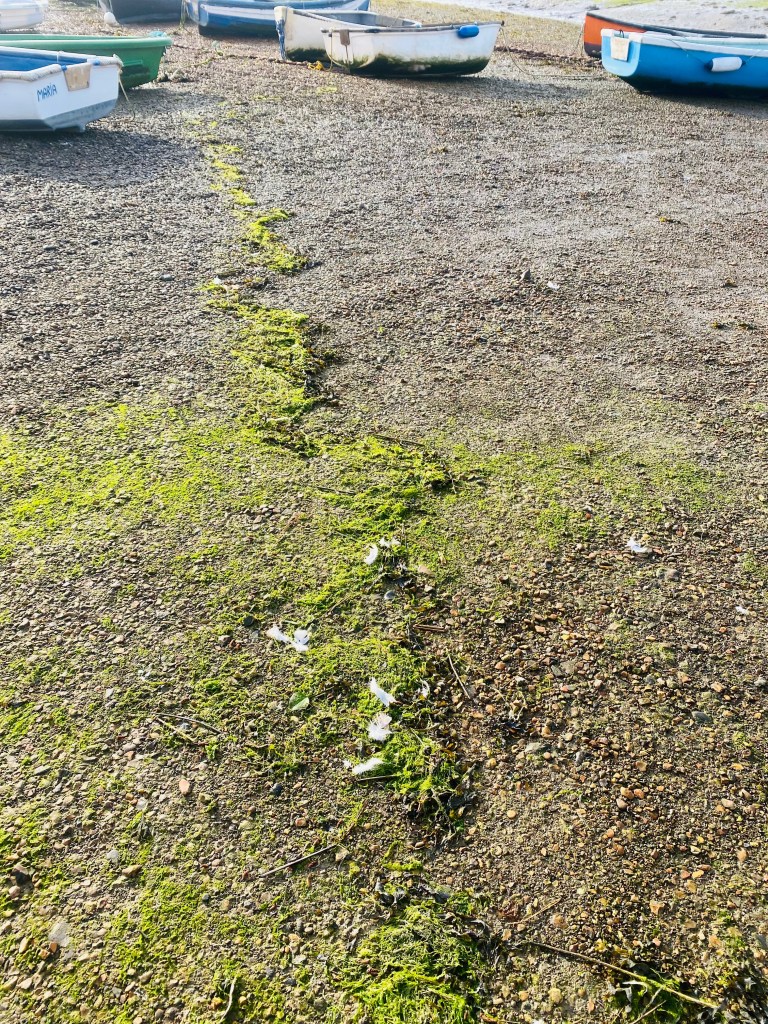
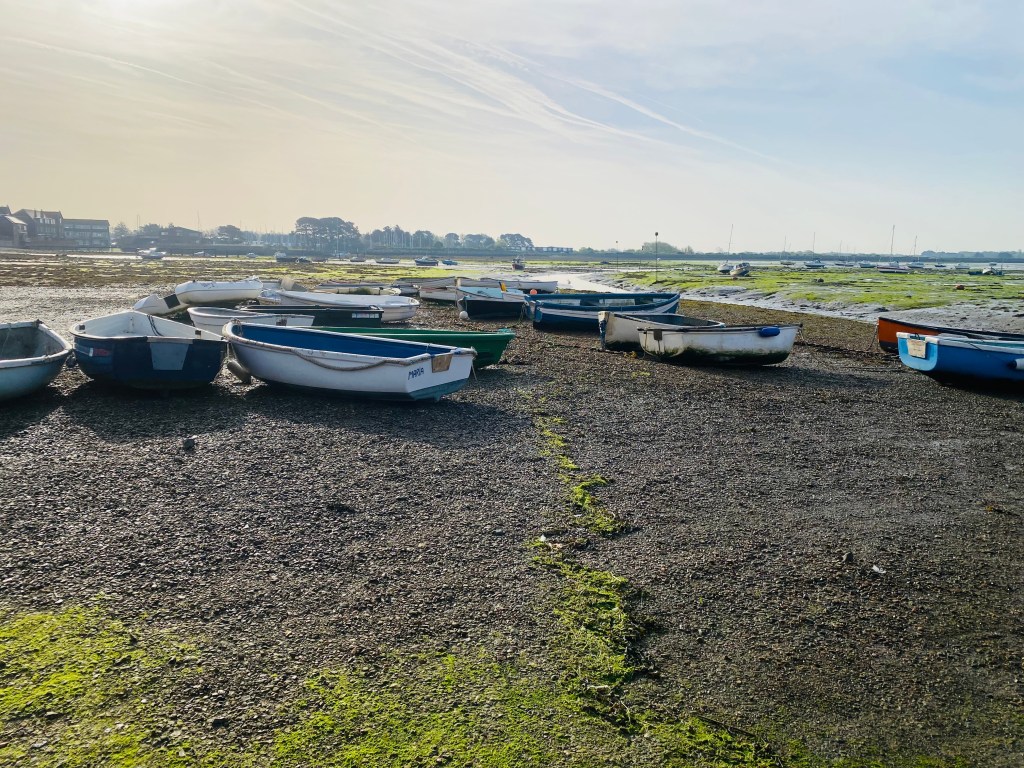
The site operates as a tidal exposure system in which functional infrastructures—moorings, drainage points, piers—shift between active and residual states. At low tide, the nautical system withdraws, revealing a material field structured by previous use: algae traces mark flow paths, seaweed deposits register former waterlines, and timber supports persist as a skeletal grid of a once continuous structure. The ground condition becomes a record of temporal cycling, where distribution replaces operation as the dominant organising principle.

